The pH Fairy Tale: What Biochemistry Says About Alkaline Water's Big Promise
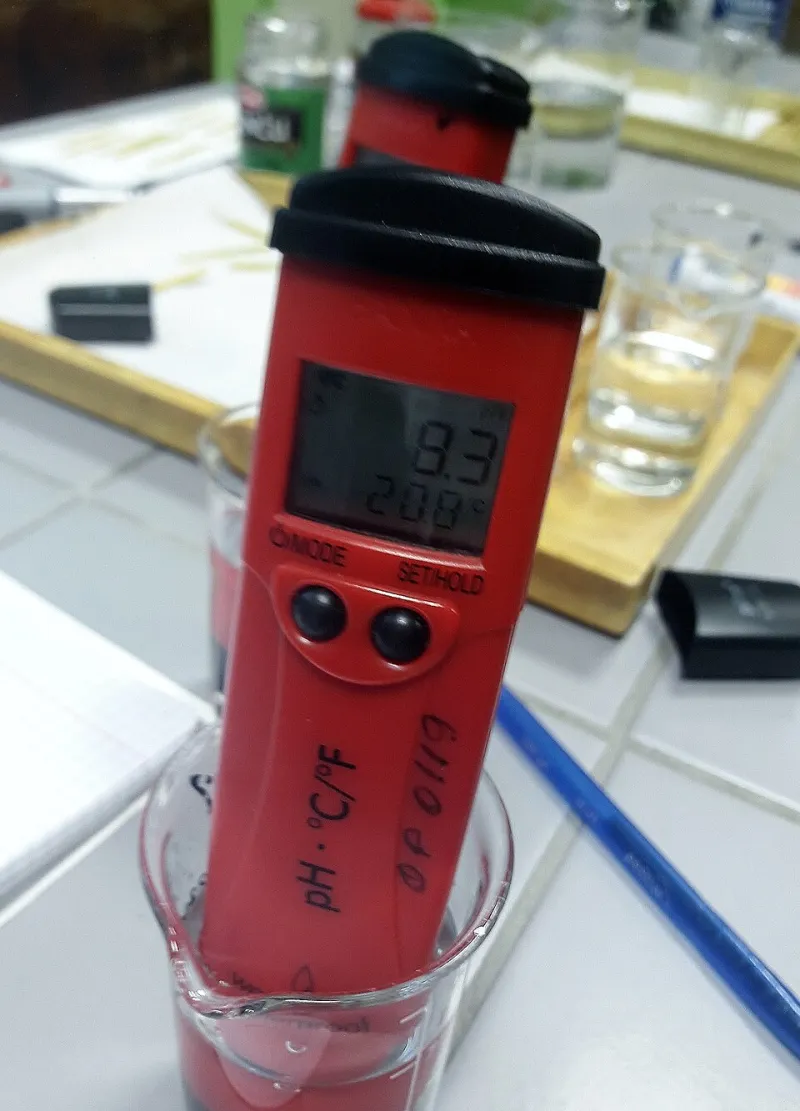
Photo: AgrisR, CC BY-SA 4.0, via Wikimedia Commons
Walk down the beverage aisle of any major American grocery store and you will encounter water with a price tag that rivals soda, juice, and sometimes even beer. Bottled with labels proclaiming a pH of 9 or higher, alkaline water has grown into a multi-billion-dollar industry built on a single premise: that what you drink can shift your body's acidity and, in turn, prevent disease.
The claim has an intuitive appeal. Chemistry students learn early that pH matters — batteries, swimming pools, and soil all depend on it. But the human body is not a swimming pool. It is a self-regulating system with redundant mechanisms devoted to one task: keeping blood pH within an extraordinarily narrow window, regardless of what passes through your mouth.
The Chemistry Problem Marketers Skip
Normal arterial blood sits between pH 7.35 and 7.45 — slightly alkaline already. Drop below 7.35 and you have acidosis, a medical emergency associated with conditions like diabetic ketoacidosis, kidney failure, or severe respiratory disease. Rise above 7.45 and you have alkalosis, which is equally dangerous.
Here is the issue for the alkaline water industry: healthy people do not develop "mild acidosis" from diet. The concept of a widespread state of "chronic low-grade acidosis" caused by modern food has been evaluated and largely dismissed by biochemists. Blood pH is defended by three overlapping systems: chemical buffers such as bicarbonate, the respiratory system's rapid adjustment of carbon dioxide, and the kidneys' slower but powerful excretion of acid or base.
A glass of water at pH 9 meets stomach acid (pH roughly 1.5 to 3.5) almost immediately. Any water — alkaline or not — that reaches the bloodstream has been neutralized, processed, and adjusted along the way.
Where the "Acid-Ash" Theory Came From
The idea that foods leave acidic or alkaline "ash" after metabolism dates to early twentieth-century nutrition research. It was a reasonable hypothesis for its era. Subsequent clinical work, however, failed to show that dietary acid load meaningfully alters blood pH in people with healthy kidneys. Urine pH does change with diet — which is why some marketers point to alkaline urine on test strips as proof — but urine acidity reflects the kidneys doing their job, not a systemic imbalance.
Notably, one of the few conditions where urine alkalinization matters therapeutically, such as in certain kidney stone patients, is managed with physician-prescribed interventions, not boutique beverages.
Follow the Money
A standard bottle of alkaline water might cost $2 to $3; home ionizer machines can run from several hundred dollars to well over $4,000. Tap water, by comparison, costs fractions of a cent per gallon in most US municipalities and is subject to federal safety standards under the Safe Drinking Water Act.
What does the premium buy? Independent testing has found that some bottled alkaline waters achieve their pH through simple mineral addition — the same effect you could get from a pinch of baking soda. Ionizers, meanwhile, use electrolysis to split water into acidic and alkaline streams, a process with no demonstrated health benefit in peer-reviewed human trials for the claims advertised.
What Actually Supports Health
None of this means hydration is unimportant. Adequate water intake supports kidney function, temperature regulation, and cardiovascular health. The evidence-backed behaviors remain unglamorous: drink enough water, eat vegetables and fruits, limit alcohol, manage sodium intake, and see a physician for genuine concerns like kidney disease or reflux.
If you enjoy alkaline water and can afford it, it is unlikely to harm you. But the science is unambiguous on the central claim: your blood does not care what pH your water bottle advertises. The body's buffering systems were solving that problem long before the first ionizer was sold.