The Gut Reset Industry Sells a Solution to a Problem You Don't Have
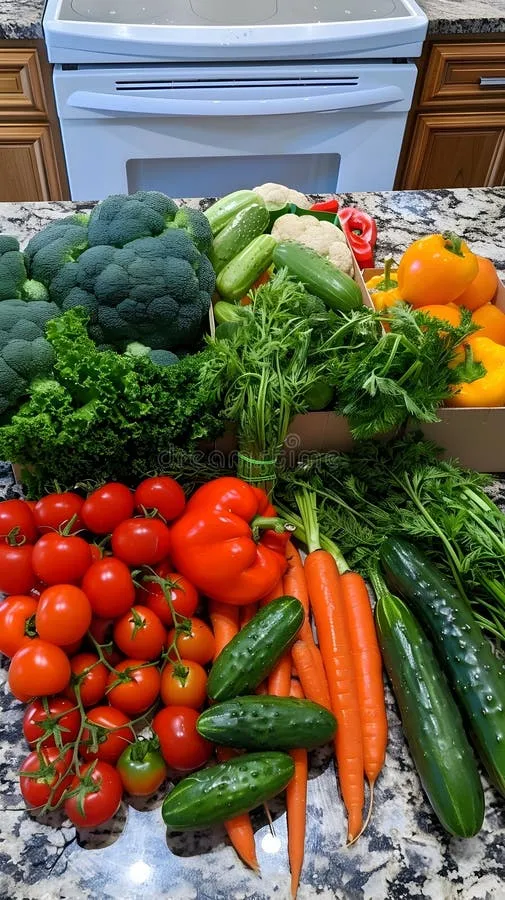
Photo: colorful fresh vegetables fruits and fiber rich foods on kitchen counter, via thumbs.dreamstime.com
Somewhere along the way, digestion became a diagnosis. Scroll through any wellness feed long enough and you will encounter the vocabulary of the 'gut reset': cleanses that flush, protocols that heal, supplements that restore what modern life allegedly stripped away. The implication is that your digestive tract, absent intervention, is malfunctioning — clogged, toxic, or depleted — and that a product stands between you and its restoration.
This framing deserves to be challenged directly. The gut reset industry has not discovered a dysfunction; it has manufactured a market. And the most robustly supported intervention for gut health is, by an uncomfortable margin for that industry, the least sellable: eating more plants.
The Cleanse Problem
Consider the juice cleanse, the flagship product of the category. The premise — that the body accumulates toxins that a period of liquid nutrition can flush — collides with basic physiology. The liver and kidneys perform continuous, highly efficient detoxification through enzymatic processing and filtration; there is no reservoir of residue for a weekend of cold-pressed kale to drain.
Colon cleanses fare no better under scrutiny. Gastroenterologists routinely note that the colon is self-cleaning, and that aggressive flushing can cause dehydration, electrolyte disturbances, and in rare cases genuine harm. Colonoscopy preparation is a medical procedure performed for a diagnostic purpose — not evidence that the colon requires purging in ordinary life.
What a multi-day juice fast actually accomplishes is well documented: rapid water weight loss that reverses with normal eating, temporary caloric deficit, and frequently a rebound in hunger. Some participants report feeling lighter and clearer, which is not surprising — short-term fasting can produce a mild euphoria, and spending money on a regimen creates a psychological investment in its success.
The Probiotic Asterisk
Probiotic supplements occupy more defensible territory, but the evidence has important asterisks. Certain strains show benefit for specific, defined conditions — Saccharomyces boulardii and some Lactobacillus strains for antibiotic-associated diarrhea, for example. But the sweeping consumer claims — immune boosting, mood transformation, universal microbiome repair — outrun the data considerably.
Critically, the microbiome is not a slot machine where any capsule pays out. Trials have shown that probiotic colonization varies substantially between individuals, and that in some cases, supplements taken after antibiotics may actually delay the return of a diverse native community. The supplement aisle sells the idea that the microbiome is a deficiency to be corrected with a purchase; the research suggests it is an ecosystem shaped mostly by diet over time.
What Actually Works, and Why It's Hard to Sell
The intervention with the deepest, most consistent evidence base for gut health is dietary fiber. Fermentable fiber feeds the resident bacteria, which produce short-chain fatty acids that nourish the colon's own cells and are associated with reduced risk of colorectal cancer and cardiometabolic disease. Insoluble fiber keeps digestion regular. Fiber intake tracks with microbiome diversity more reliably than any supplement on the market.
Most American adults, however, consume roughly half the recommended amount. Herein lies the commercial problem: fiber is cheap, unbranded, and found in ordinary food — beans, oats, berries, whole grains, vegetables. No recurring revenue model attaches to telling someone to eat lentils.
So the industry sells the substitute instead: the reset, the cleanse, the capsule. A person who eats thirty different plant foods a week has done more for their microbiome than any juice program can claim, at a fraction of the cost.
A Better Kind of Reset
None of this means digestive complaints should be dismissed. Persistent bloating, altered bowel habits, or abdominal pain warrant medical evaluation — conditions like celiac disease, inflammatory bowel disease, and other disorders are real and treatable. But for the generally healthy person seduced by a $300 cleanse, the honest counsel is unglamorous: your gut is not broken, it does not need a flush, and it would benefit more from a grocery list than a protocol.
The gut reset industry depends on the belief that normal biology is a problem. The evidence says the problem is elsewhere — in the marketing.