The Ivermectin Phenomenon: What the Science Actually Says About a Viral COVID-19 Claim
Few medical controversies during the COVID-19 pandemic generated as much heat — or as much confusion — as the debate over ivermectin. The drug, a well-established antiparasitic medication approved by the FDA for conditions such as river blindness and certain intestinal infections, became the center of an intense cultural and scientific dispute. Proponents on social media platforms, online forums, and even in some congressional hearings claimed it was a suppressed miracle cure. Mainstream medical institutions pushed back firmly. The question worth asking now, with the benefit of a more complete research record, is: what does the evidence actually show?
From Antiparasitic to Alleged Antiviral
Ivermectin has a genuinely impressive track record in treating parasitic diseases. Discovered in the late 1970s and introduced for human use in the 1980s, it has been distributed to hundreds of millions of people in developing nations and is widely regarded as one of the most important antiparasitic drugs in modern medicine. That legitimate medical history contributed significantly to its credibility when early laboratory studies suggested it might also have antiviral properties.
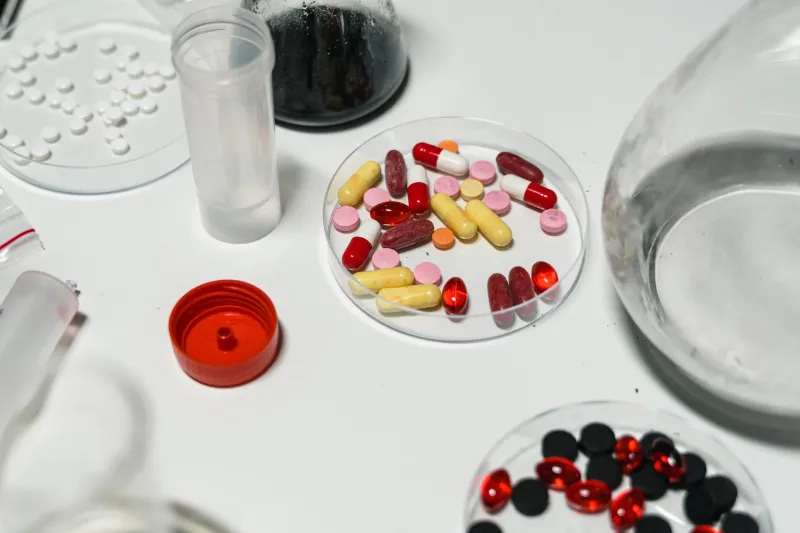
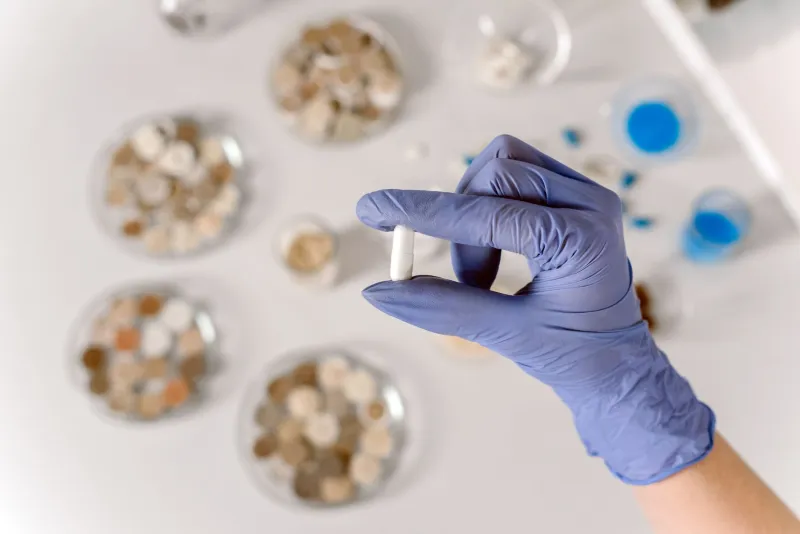
In April 2020, a preprint study from Australian researchers reported that ivermectin could inhibit SARS-CoV-2 replication in cell cultures. This finding was preliminary and conducted entirely in vitro — meaning in a petri dish, not in a living human being. Crucially, the concentrations of ivermectin required to produce that effect were estimated to be approximately 35 to 100 times higher than doses considered safe for human use. These limitations were noted in the study itself, but they were largely stripped away as the findings spread across social media. What remained in the popular retelling was simply: "ivermectin kills COVID."
The Research That Fueled the Controversy
As the pandemic intensified, a number of observational studies and clinical trials began to emerge from various countries, several of which claimed to show dramatic benefits. One widely circulated study from Egypt suggested a significant reduction in mortality among COVID-19 patients treated with ivermectin. That study was later found to contain extensive data irregularities and was retracted. Another influential analysis, a meta-analysis aggregating multiple trials to suggest ivermectin's efficacy, was similarly scrutinized and found to rely heavily on studies with serious methodological problems — including duplicated patient data and baseline imbalances between treatment and control groups.
This pattern repeated itself throughout the controversy. Studies that appeared to support ivermectin frequently suffered from small sample sizes, lack of proper randomization, unblinded designs, or outright data fabrication. A 2021 investigation by journalist Jack Lawrence and epidemiologist Gideon Meyerowitz-Katz identified what appeared to be copied data and other anomalies in multiple pro-ivermectin papers. The scientific community's process of identifying and correcting these problems — peer review, replication attempts, retraction — functioned largely as it should. But that correction process operates on a timeline measured in weeks and months, while misinformation spreads in hours.
What Rigorous Trials Actually Found
The most methodologically sound evidence came from large, well-designed randomized controlled trials. The TOGETHER trial, conducted across Brazil and funded in part by the Bill & Melinda Gates Foundation, enrolled over 1,300 participants and found no meaningful clinical benefit from ivermectin in outpatient COVID-19 treatment. The results were published in the New England Journal of Medicine in 2022. Similarly, the ACTIV-6 trial, part of a broader NIH-sponsored platform studying repurposed drugs, found that ivermectin did not significantly reduce the duration of illness in non-hospitalized adults with COVID-19.
A comprehensive Cochrane review — widely considered the gold standard for evidence synthesis in medicine — concluded in 2022 that current evidence does not support the use of ivermectin for treating or preventing COVID-19 outside of clinical trials. The review noted that while some studies showed uncertain benefits, the higher-quality evidence consistently pointed toward no significant effect.
The FDA, the NIH, and the WHO have all maintained positions against using ivermectin for COVID-19 outside of controlled clinical settings, citing both the lack of demonstrated efficacy and the risks associated with self-medication, including the use of veterinary formulations that carry dosing hazards for humans.
Why Misinformation Outran the Corrections
Understanding the ivermectin episode requires looking beyond the laboratory. Several intersecting social and psychological forces accelerated the drug's rise as a folk remedy.
First, there was the availability heuristic at work. During a frightening and novel pandemic, people sought actionable information. A cheap, widely available drug with a long safety record in its approved uses felt like a practical solution when vaccines were not yet available and hospital systems were overwhelmed. The gap between what people needed emotionally and what science could offer in real time created fertile ground for unverified claims.
Second, distrust of institutional medicine — already present in significant portions of the American public — was amplified by early pandemic missteps, including shifting guidance on masks and the emergency authorization process for vaccines. When institutions said "ivermectin doesn't work," segments of the public heard confirmation of what they already suspected: that authorities were withholding something.
Third, social media platforms algorithmically reward engagement, and few things generate engagement as reliably as contrarian health claims that position the audience as possessors of suppressed truth. Groups on Facebook and Telegram, subreddits, and YouTube channels created information ecosystems where anecdotal testimonials circulated freely and skeptical voices were characterized as shills for pharmaceutical companies.
Finally, the scientific community's own communication failures played a role. Dismissive responses without adequate explanation, and the conflation of "no current evidence" with "definitively does not work" in early messaging, left room for doubt that advocates of ivermectin were quick to exploit.
The Broader Lesson
The ivermectin story is not primarily a story about one drug. It is a case study in how scientific uncertainty, institutional distrust, and platform dynamics can combine to elevate an unproven treatment to near-folkloric status within a matter of months. The people who sought out ivermectin were not uniformly credulous or irrational — many were frightened, proactive, and genuinely trying to protect themselves and their families in the absence of clear guidance.
What the evidence now shows, however, is that the claims made on their behalf by the loudest advocates were not supported by rigorous science. The studies that appeared most promising were compromised by serious methodological flaws or outright fraud. The trials conducted with appropriate controls found no meaningful benefit.
For anyone evaluating health claims in the future — whether about ivermectin, chlorine dioxide, or the next controversial treatment to surface online — the standard should remain consistent: peer-reviewed evidence from well-designed trials, assessed without confirmation bias, regardless of how compelling the anecdotes or how authoritative the social media post appears. That standard is not a barrier to new knowledge. It is the mechanism by which genuine knowledge is distinguished from wishful thinking.