From Clinic to Wellness Spa: How Fecal Transplant Science Got Hijacked by the Microbiome Industry
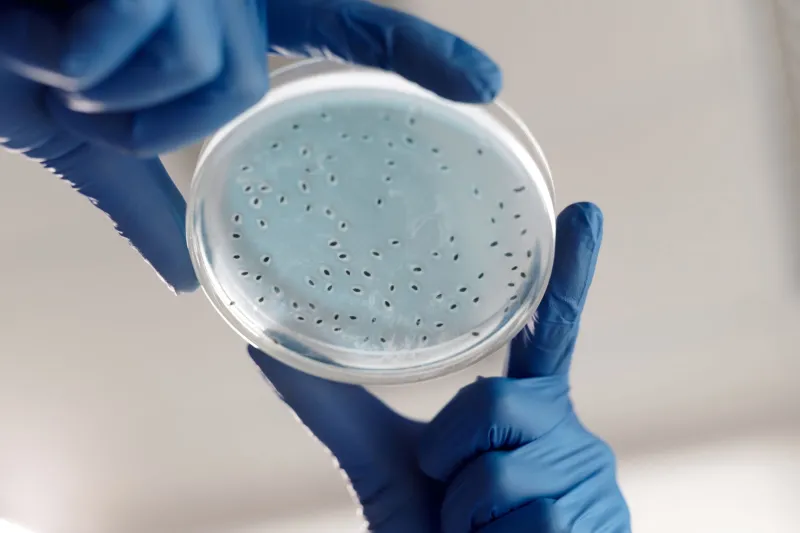
In the past decade, the human gut microbiome has become one of the most discussed topics in both academic medicine and consumer wellness culture. The trillions of bacteria, fungi, and other microorganisms residing in the gastrointestinal tract do play meaningful roles in digestion, immune function, and possibly broader systemic health. That much is scientifically grounded. What is considerably less grounded is the sprawling industry that has grown up around the idea that transplanting someone else's gut bacteria into your own body can treat everything from anxiety to excess body weight.
Fecal microbiota transplantation, commonly abbreviated as FMT, involves transferring processed stool from a healthy, screened donor into the gastrointestinal tract of a recipient. The procedure sounds unconventional, but in one specific clinical context, it has demonstrated remarkable efficacy. Outside that context, however, the evidence becomes thin — and the marketing becomes very loud.
What FMT Actually Does Well
The strongest case for FMT centers on recurrent Clostridioides difficile infection, commonly known as C. diff. This bacterial infection causes severe diarrhea, intestinal inflammation, and in vulnerable populations, can be life-threatening. When antibiotics repeatedly fail to prevent recurrence — a frustratingly common scenario — FMT has shown cure rates exceeding 80 to 90 percent in multiple randomized controlled trials. The mechanism is relatively well understood: C. diff thrives in a disrupted gut environment, and introducing a diverse, healthy donor microbiome helps restore the competitive balance that keeps the pathogen in check.
In 2022, the FDA approved the first FMT-derived therapeutic, Rebyota, specifically for recurrent C. diff in adults. A second product, Vowst, followed in 2023. These approvals came after years of rigorous clinical evaluation, including safety monitoring and standardized donor screening protocols. This is what the responsible application of FMT looks like: a defined condition, a demonstrated mechanism, and regulatory oversight.
Where the Science Gets Murky
The wellness industry, unfortunately, does not confine itself to what regulators have approved or researchers have validated. The narrative that gut bacteria influence mood, metabolism, immunity, and cognitive function — while not entirely without scientific basis — has been extrapolated far beyond what current evidence supports in the context of FMT.
Proponents point to studies linking gut microbiome composition to conditions such as depression, autism spectrum disorder, obesity, irritable bowel syndrome, and autoimmune diseases. Some of these associations are real and worth investigating. Associations, however, are not the same as established causal pathways, and correlational findings in microbiome research do not translate directly into therapeutic interventions.
Clinical trials examining FMT for conditions beyond C. diff have produced mixed and largely inconclusive results. A 2019 randomized trial published in Gastroenterology found that FMT did not significantly outperform placebo for irritable bowel syndrome. Research into FMT for inflammatory bowel disease has shown modest signals in some ulcerative colitis studies, but results remain inconsistent across trials and patient populations. For mental health conditions, the research is even more preliminary — largely confined to small pilot studies and animal models that cannot be responsibly translated into clinical recommendations.
The Commercial Ecosystem Exploiting the Gap
Despite this evidentiary landscape, a growing number of wellness clinics, particularly those operating outside conventional medical settings, have begun offering what they describe as microbiome restoration therapies. These services — sometimes marketed as "microbiome resets," "gut ecology treatments," or "probiotic infusions" — are frequently priced in the thousands of dollars and positioned as treatments for conditions ranging from chronic fatigue and brain fog to weight management and mood disorders.
Many of these providers operate in regulatory gray areas. Because they may not be dispensing an FDA-approved product or performing a procedure subject to existing oversight frameworks, they can sidestep the scrutiny that pharmaceutical and medical device manufacturers face. Donor screening practices, if they exist at all, may be far less rigorous than those required for approved FMT therapeutics. The FDA has explicitly warned consumers that FMT products not approved by the agency or not administered under an Investigational New Drug application carry serious risks, including the potential transmission of pathogens — a risk that is not hypothetical. In 2019, two immunocompromised patients contracted drug-resistant bacterial infections following FMT procedures in clinical trials, and one died.
The Supplement Adjacency Problem
Alongside procedural offerings, the microbiome reset trend has fueled an explosion in probiotic and prebiotic supplement marketing. Products claiming to "rebalance" or "optimize" gut flora are a multi-billion-dollar segment of the US supplement market. While certain probiotic strains have demonstrated clinical utility for specific applications — reducing antibiotic-associated diarrhea, for instance — the vast majority of commercial probiotic products make claims that are not supported by peer-reviewed evidence for the populations and conditions being targeted.
The regulatory framework governing supplements under the Dietary Supplement Health and Education Act of 1994 does not require manufacturers to demonstrate efficacy before bringing a product to market. This means a probiotic blend marketed for "mental clarity" or "metabolic support" faces no meaningful evidentiary burden at the point of sale. Consumers are left to navigate these claims without the context needed to evaluate them critically.
What a Skeptical Consumer Should Know
None of this means microbiome science is without merit. The field is genuinely productive, and future research may well identify additional validated applications for FMT or microbiome-targeted therapies. The problem is not the science — it is the pace at which commercial interests have outrun it.
Before pursuing any microbiome-related treatment or procedure outside of a clinical trial or established medical setting, consumers should ask several direct questions. Is the provider offering an FDA-approved product or procedure? What peer-reviewed evidence supports the specific condition being treated? What are the donor screening protocols, and how are adverse events tracked and reported? What is the refund or accountability policy if the treatment produces no benefit?
For individuals dealing with recurrent C. diff, a conversation with a gastroenterologist about legitimate FMT options is entirely appropriate. For individuals hoping that a microbiome procedure will resolve depression, weight gain, or fatigue, the evidence does not currently support that expenditure — and the risks of unregulated procedures are not trivial.
The Broader Pattern
The trajectory of FMT in the wellness marketplace follows a pattern that readers of this site will recognize. A genuine scientific finding — in this case, the dramatic efficacy of FMT for C. diff — gets amplified, generalized, and ultimately commodified in ways that detach it from its evidentiary foundation. The result is a market in which real clinical innovation coexists with speculative products and procedures, and in which consumers without specialized scientific literacy are poorly positioned to distinguish one from the other.
Microbiome science deserves serious attention. What it does not deserve is to be used as a marketing vehicle for unproven interventions sold to people who are often already vulnerable and searching for answers that conventional medicine has not yet provided. The science will continue to develop. In the meantime, the appropriate posture is one of informed patience rather than expensive experimentation.